
Is the Pacific Side of Los Cabos Too Remote or Exactly Right?
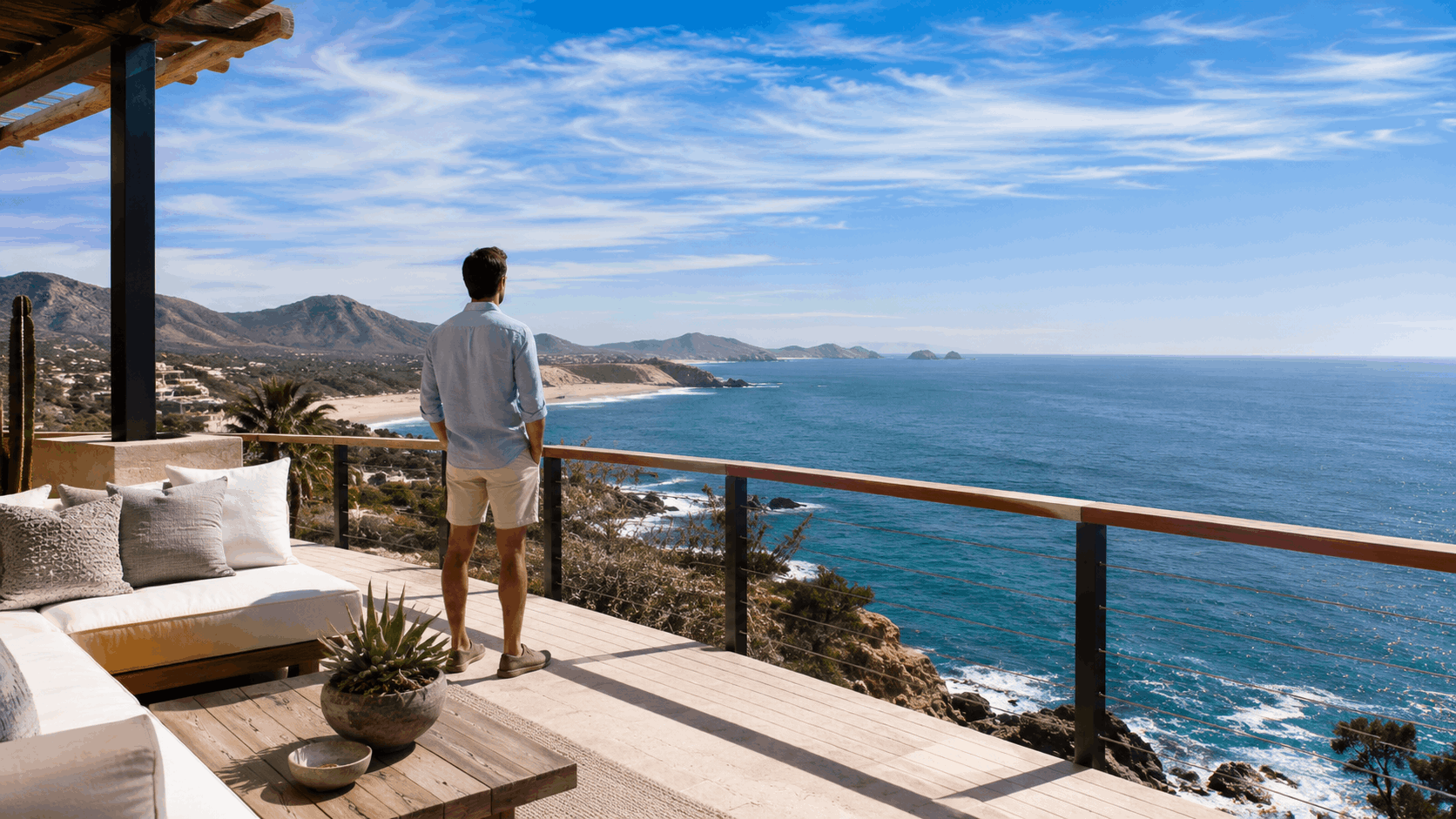
Is the Pacific Side of Los Cabos Too Remote or Exactly Right?
The Pacific side is not too remote for every buyer. It is too remote for the wrong buyer and exactly right for the one who wants space, privacy, sunsets and a more independent relationship with Baja.
When buyers ask whether the Pacific side of Los Cabos is too remote, they are usually asking a deeper question: will this lifestyle feel freeing or inconvenient after the first impression fades? That is the right question. The Pacific side can be beautiful, emotional and memorable, but beauty alone does not make a second home practical.
The answer depends on buyer fit. Some buyers need immediate access to nightlife, marina activity, structured resort amenities and high-service environments. For them, the Pacific side may feel too quiet or too spread out. Other buyers want exactly that sense of space and separation. They are not trying to escape luxury; they are trying to define it differently.
This is why Todos Santos, Cerritos and Pescadero matter in the buyer journey. They help buyers understand the Pacific side not as empty distance, but as a collection of lifestyle points: creative town life, surf access, beach rhythm, residential calm and private coastal property.
Remote Is Not Always Negative
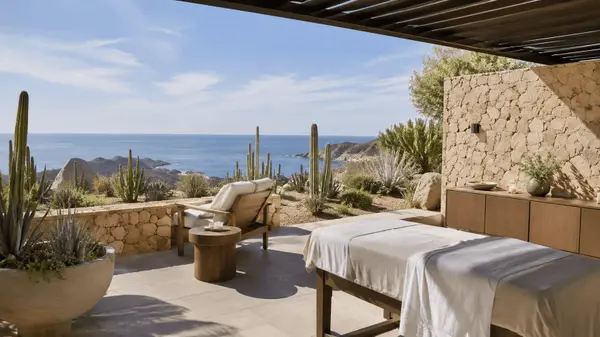
Remote is often treated like a warning word, but in luxury real estate it can also be a value driver. Remoteness can mean privacy, larger settings, quieter evenings, less visual noise and a stronger connection to nature. The key is whether that remoteness supports or conflicts with the way the buyer wants to live.
For the right buyer, distance from the obvious path is part of the reward. It makes arrival feel meaningful. It gives the home a stronger sense of retreat. It allows the property to become the experience rather than simply a place to sleep between activities. That can be deeply attractive for buyers who want a second home to feel restorative.
For the wrong buyer, however, the same distance can become friction. If the buyer wants constant dining options, nightlife, frequent guest turnover or very easy access to every service, the Pacific side may require more planning than they prefer. A good buyer guide should make this clear without making the area sound less premium.
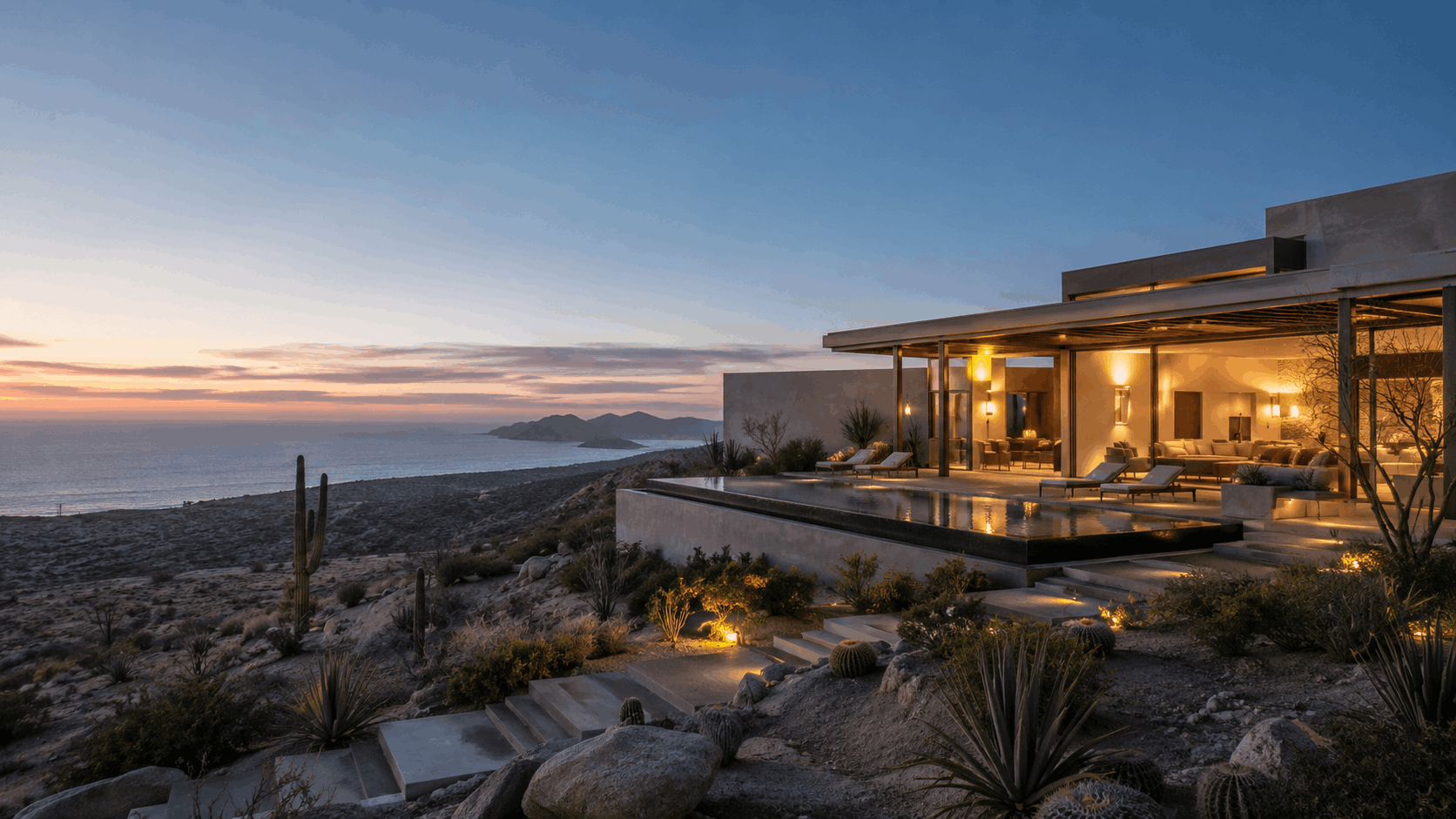
The Buyer Who Will Love the Pacific Side
The ideal Pacific side buyer values privacy, views, outdoor living and individuality. They may be drawn to architecture, surf, art, design, nature or the idea of a home that feels less standardized. They may prefer a slower evening, a stronger sunset and a sense that their property is part of the landscape rather than part of a dense resort grid.
This buyer is often comfortable with a slightly more independent lifestyle. They do not need everything to be immediate. They may enjoy planning around a home, hosting longer stays, spending more time outdoors and creating their own rhythm. For them, the Pacific side can feel exactly right because it does not compete for attention constantly.
Todos Santos is often a strong signal for this buyer because it adds culture, dining and creative identity without overwhelming the quieter Pacific experience. Cerritos may appeal when surf and beach life matter. Pescadero may appeal when a more residential slow-living atmosphere is part of the dream.
Questions Buyers Should Ask Themselves
A buyer considering the Pacific side should begin with practical honesty. How often will they use the home? Will they come for short trips or long stays? Do they plan to host guests? How important is immediate access to restaurants? Do they want surf, beach life, art and privacy, or do they need a more service-heavy environment?
They should also ask how much independence they enjoy. Some buyers love a home that feels like a private base. Others prefer a community that organizes more of the experience around them. Neither choice is wrong, but the difference matters. The Pacific side tends to reward buyers who want more control over their daily rhythm.
The property itself should be evaluated through these answers. A remote-feeling property with excellent outdoor living may be perfect for longer stays. A home with a dramatic view but poor usability may not be. A location near Todos Santos may feel more balanced for one buyer, while another may prioritize a beach-oriented setting closer to Cerritos or a quieter residential feel near Pescadero.
How to Think About Access and Convenience
Access is not simply about distance. It is about how the buyer experiences the drive, the services, the road, the guest arrival and the daily routine. A property can be geographically further away but still feel easy if it matches the owner’s lifestyle. Another property can be closer but feel inconvenient if it does not support how the owner actually lives.
Buyers should pay attention to the practical details: road quality, service availability, maintenance expectations, internet needs, guest logistics, shopping routines and how often they plan to move between the Pacific side and other parts of Los Cabos. These details do not remove the romance. They protect it.
This is especially important for buyers who are new to Baja. The Pacific side may feel magical during a first visit, but a smart purchase requires understanding how the magic works during a normal week. The best property is the one that keeps feeling right after the initial sunset.
The Pacific side works when the buyer wants what the area naturally offers: privacy, landscape, surf, sunsets and a more self-directed way to live in Baja.
Comparing the Pacific Side With Other Hubs
Buyers who are unsure should compare the Pacific side with Cabo San Lucas, San José del Cabo, East Cape and La Paz. Cabo San Lucas offers more activity and recognition. San José del Cabo offers refined privacy with more established services. East Cape offers Sea of Cortez outdoor living and emerging low-density appeal. La Paz offers quiet city living around calm water.
The Pacific side is different from all of them because its emotional center is the Pacific coastline itself. The sunsets, surf, openness and creative towns create a distinctive mood. If that mood feels like the buyer’s version of luxury, the area deserves serious consideration. If it feels too quiet, that is useful information too.
This comparison should not be treated as a ranking. It is a fit test. The right buyer is not looking for the most universally popular location. They are looking for the location that will still feel right after repeated visits.
What Property Type Makes the Most Sense
For some buyers, a finished home with strong outdoor living and privacy may be the best choice. For others, land or a custom build may be attractive because it allows them to shape the property around views, sunsets, courtyards and guest use. Condos may be less central to the Pacific story than in more urban or resort-driven markets, but lower-maintenance options can still matter depending on the area and product.
The property type should follow the lifestyle. A surf-oriented buyer may prioritize beach access. A design-focused buyer may prioritize architecture and land. A family may prioritize space and guest comfort. A buyer who wants occasional use may prioritize maintenance and simplicity. The Pacific side is broad enough to support different decisions, but only if the buyer is clear about the purpose of ownership.
That clarity also helps the advisor. When the buyer understands the lifestyle first, the property search becomes more focused. Instead of chasing every beautiful view, the search narrows to the properties that can actually support the buyer’s version of Pacific side living.
The Final Test
The simplest way to decide is to imagine a normal day, not a perfect vacation day. Do you want to wake up somewhere quiet? Do you want the ocean to feel powerful and close? Do you want sunset to be part of the evening? Do you enjoy a little distance from the crowd? Do you feel energized by open space? If the answer is yes, the Pacific side may be exactly right.
If you feel anxious about distance, need constant activity or want a highly serviced environment, another hub may fit better. That is not a failure of the Pacific side. It is the reason the hub has such a clear identity. It is selective, and that selectivity is part of its appeal.
The best decision is the one that stays attractive after the first excitement fades. For the right buyer, the Pacific side has the ability to do that because the experience is built around durable things: space, privacy, landscape, surf, sunsets and a sense of personal Baja connection.
The Decision Framework
The clearest way to evaluate the Pacific side is to separate desire from daily use. Desire may come from a sunset, a view, a surf beach or a beautiful property photo. Daily use is more practical: how the buyer arrives, where they shop, how they host, how often they go out, how much privacy they want and whether the distance feels peaceful or inconvenient after repeated visits.
A buyer who wants the Pacific side to be exactly right should be honest about their tolerance for independence. Do they enjoy creating their own routine, or do they prefer a place where the community and amenities organize most of the experience? Do they want guests to be entertained by the surrounding destination, or do they want the home itself to be the main gathering place? These questions matter more than many buyers expect at the beginning.
The Pacific side can be perfect for a buyer who values space, landscape and self-directed living. It can be less ideal for someone who wants constant convenience, frequent nightlife or the most familiar version of Los Cabos luxury. The difference is not about budget or taste. It is about rhythm.
When the decision is made through this framework, the buyer is less likely to be disappointed. They are not choosing the Pacific side because it is beautiful for a weekend. They are choosing it because the lifestyle remains attractive during normal days, longer stays and repeat visits. That is the real test of a second-home destination.
How an Advisor Should Guide This Buyer
An advisor working with a Pacific side buyer should listen for lifestyle language. If the buyer keeps mentioning quiet, views, space, surf, sunsets or wanting something less obvious, the Pacific side may deserve a serious place in the search. If the buyer keeps mentioning convenience, nightlife, walkability or a highly serviced environment, the advisor may need to compare other hubs more carefully.
The goal is not to convince every buyer that the Pacific side is right. The goal is to prevent the wrong buyer from choosing it for the wrong reasons and to help the right buyer recognize why it feels so compelling. That kind of guidance builds trust because it puts fit above pressure.
This is exactly the kind of buyer-guide content that can convert well over time. It does not simply describe the area. It helps the reader make a decision. When a buyer feels understood, they are more likely to trust the brand that helped them clarify the choice.
Explore Pacific side real estate and compare homes, land and ocean-view properties shaped by privacy, surf, sunsets and open space.
Browse Pacific Real Estate →Categories
- All Blogs (89)
- Architecture & Design (1)
- beachfront (3)
- Beachfront & Ocean View Living (15)
- BUYER GUIDE (2)
- Buyer Guides (13)
- Buying Property in Los Cabos (7)
- cabo corridor (1)
- Cabo San Lucas (2)
- Community Guide (3)
- development land (1)
- Dining & Social Scene (3)
- Discover the properties (1)
- East Cape (5)
- el tezal (1)
- Golf Communities (3)
- Golf, Marina & Wellness (5)
- Investment (1)
- INVESTMENT & MARKET (2)
- Investment Insights (16)
- La Paz (9)
- la ventana (1)
- Lifestyle (10)
- Lifestyle & Culture (2)
- Los Barriles (5)
- Los Cabos (5)
- Los Cabos Areas (9)
- Los Cabos Lifestyle (9)
- Los Cabos Lifestyle Guides (1)
- Los cabos Real Estate (7)
- Los Cabos Real Estate Guides (4)
- los cabos, (1)
- Luxury Real Estate (7)
- Luxury Real Estate Guides (16)
- marina and wellness (1)
- Mexico Real Estate Guides (1)
- Pacific (2)
- Premium Lifestyle (11)
- Real Estate Investment (7)
- real estate market (1)
- Relocation & Second Homes (17)
- San José del Cabo (6)
- sea of cortez (5)
- Second Homes & International Buyers (1)
- The Pacific (5)
- Todos Santos (5)
- ZONE GUIDE (1)
Recent Posts



GET MORE INFORMATION
